
"coffee culture decline"
1000 article(s) found

Papua New Guinea Coffee Culture Origin of Papua New Guinea Coffee
In Papua New Guinea, about 75 per cent of coffee products come from small local farmers
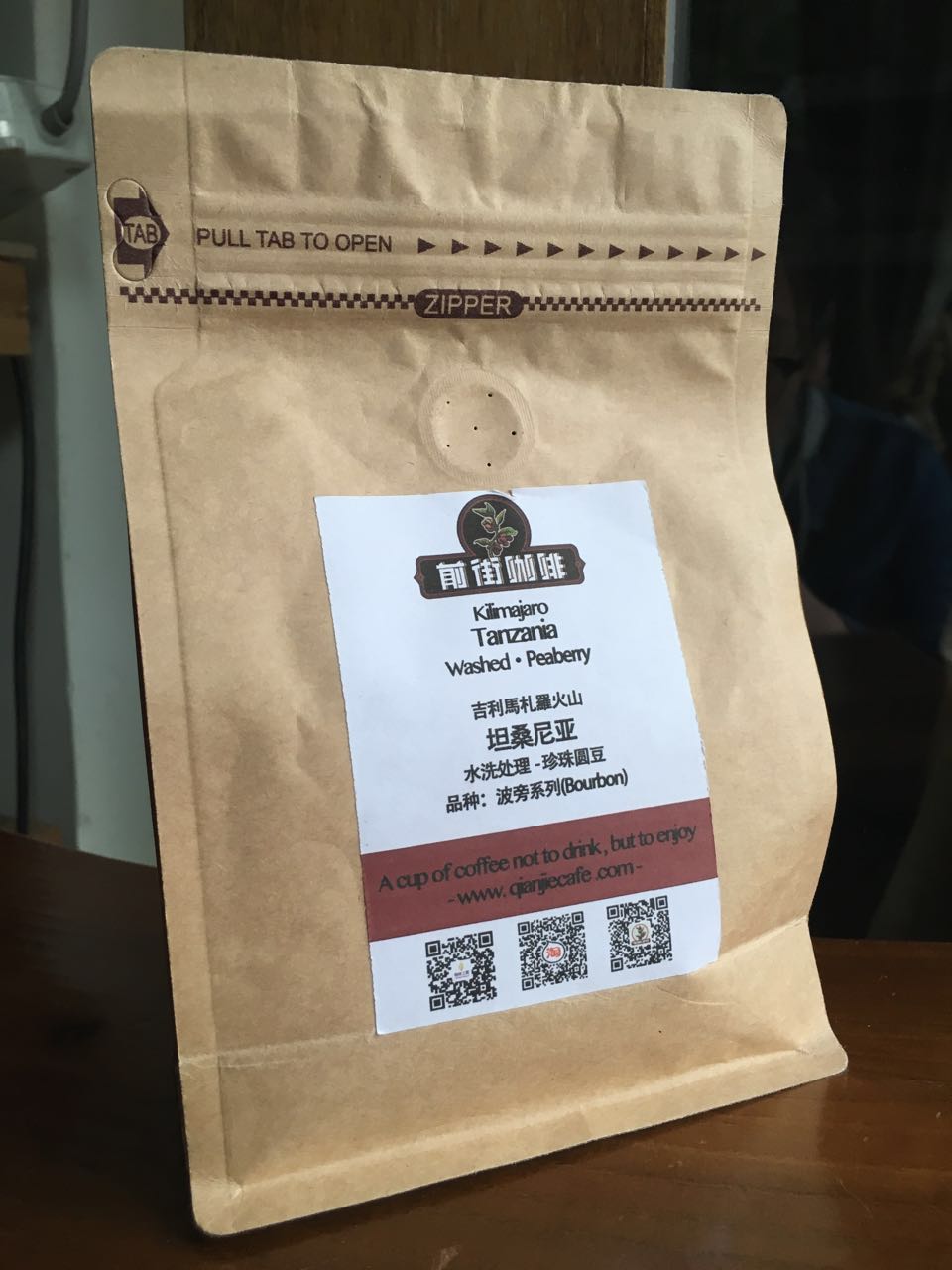
Characteristics of Guatemalan coffee beans cultural boutique coffee of Guatemalan coffee beans
Coffee production in Guatemala has declined relatively, at 700kg per hectare, while that in El Salvador is 900kg per hectare and that in Costa Rica is even more astonishing, at 1700 kg per hectare. The export of dangerous Dimara coffee is controlled by private companies, but the National Coffee Council (Asociacion Nacional de Cafe) controls the coffee industry.

The origin and development history and culture of fine coffee beans
In many countries coffee production is severely affected for political reasons. The coffee industry in Nicaragua is no exception. The revolution of 1979 forced coffee growers to flee to Miami. A period of uncertainty ensued as the government considered whether to reallocate land (including many plantations), resulting in coffee shortages and declining yields from the early 1970s.
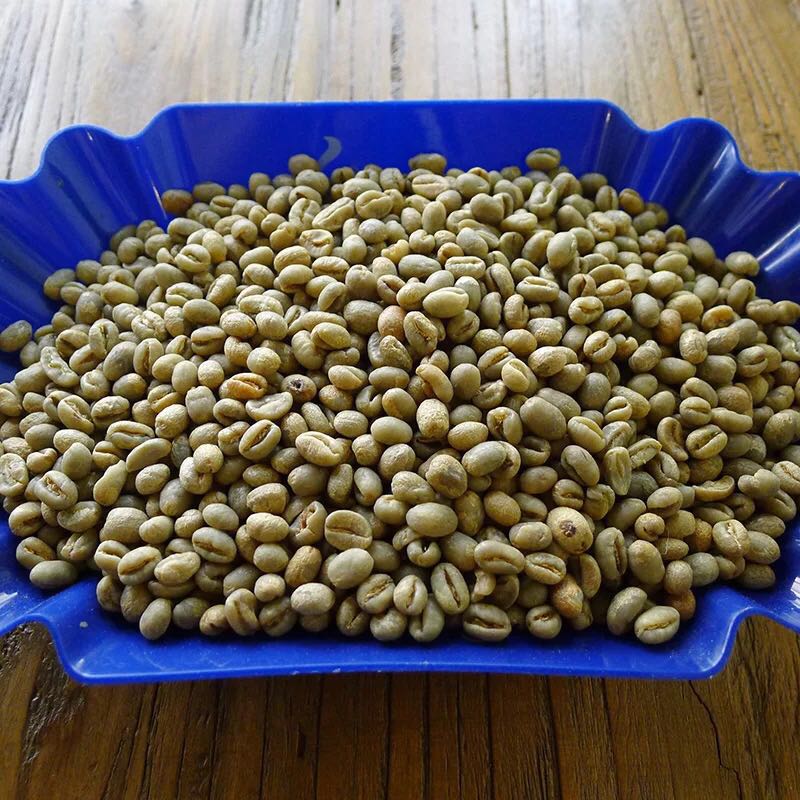
Characteristics of coffee beans in Tanzania A brief introduction to coffee beans in Tanzania the culture of coffee beans in Tanzania
Gourmet coffee has soft acidity and attractive aroma, which is absolutely worth enjoying. Coffee exports from Tanzania (Tanzania) play an important role in the whole national economy. Bean-shaped berry coffee is very productive and is said to be more fragrant than ordinary coffee. Generally speaking, the coffee beans in Tanzania have an extraordinary quality. For example, in the neighborhood of Kilimanja

Introduction to the Cultural Origin of the Development of Coffee beans in Papua New Guinea
The coffee industry plays an important role in the country's economy. More than 1 million people are directly and indirectly engaged in the industry. The government encourages planting by offering a minimum purchase price. The industry itself is controlled by the Coffee Industry Council (Coffee Industry Board). The commission is located in Goroka, in the eastern part of the island, while exports are handled by private companies. The frost of 1975

A brief introduction to the Origin, Development, History and Culture of Fine Coffee beans in Tian Chi Manor with moderate acidity
In many countries, coffee production will be seriously affected for political reasons. Nicaraguan coffee industry is no exception. The 1979 revolution forced coffee planters to flee to Miami. A period of indecision followed, when the government considered whether to redistribute land (including many plantations), which led to a shortage of coffee and a decline in production since the early 1970s

A brief introduction to the History and Culture of the Origin and Development of Fine Coffee beans in Tianqi Manor with moderate Particle size
In many countries, coffee production will be seriously affected for political reasons. Nicaraguan coffee industry is no exception. The 1979 revolution forced coffee planters to flee to Miami. A period of indecision followed, when the government considered whether to redistribute land (including many plantations), which led to a shortage of coffee and a decline in production since the early 1970s

A brief introduction to the Origin, Development, History and Culture of Nicaraguan Fine Coffee beans with Citrus
In many countries, coffee production will be seriously affected for political reasons. Nicaraguan coffee industry is no exception. The 1979 revolution forced coffee planters to flee to Miami. A period of indecision followed, when the government considered whether to redistribute land (including many plantations), which led to a shortage of coffee and a decline in production since the early 1970s

Aristocrats in coffee Guatemala Agua Dursay Fine Coffee Bean Origin Development History Culture Introduction
These Mayan-run coffee industries once made Guatemala's economy prosperous and occupied a dominant position in the national economy. Unfortunately, however, the political situation in Guatemala is not conducive to these coffee growers. High output is usually a sign of overall economic prosperity in a country. However, coffee production in Guatemala has declined relatively, to only 700 kg/ha, while coffee production in Guatemala has declined relatively.

A brief introduction to the History and Culture of the Origin and Development of Coffee in the Joy Manor of Nicaragua
In many countries, coffee production will be seriously affected for political reasons. Nicaraguan coffee industry is no exception. The 1979 revolution forced coffee planters to flee to Miami. A period of indecision followed, when the government considered whether to redistribute land (including many plantations), which led to a shortage of coffee and a decline in production since the early 1970s

The spread of Fine Coffee Culture Brazilian Coffee
Brazil is located in the Latin American region of the Western Hemisphere, located in the eastern part of South America and on the west coast of the Atlantic Ocean, bordering all countries on the South American continent except Ecuador and Chile; the vast majority of the territory lies between the equator and the Tropic of Cancer, is the most extensive tropical country in the world. The territory has a tropical rain forest climate and a tropical prairie climate. The superior tropical natural conditions are very good.

A brief introduction to the Origin, Development, History and Culture of Fine Coffee beans in Tian Chi Manor
Columbus arrived here in 1502 and reached the east coast of Nicaragua. In 1522, Spanish colonists began to conquer the region. The cities of Granada and Leon were founded in 1524. From then on, Nicaragua became a Spanish colony and came under the jurisdiction of the Governor's Office of Guatemala. The city of Leon developed into a political and cultural center; Granada became a commercial and agricultural center. In the later period of colonial rule
Yemeni mocha coffee history, culture, characteristics, industry development
Yemeni coffee, a well-known coffee named after a port in Yemen. The most familiar mocha coffee. When the word appears on the recipes of bags and cafes, the meaning is different. The former refers to the port where coffee beans are exported, while the latter refers to a kind of coffee. Strictly speaking, coffee beans exported from the port of Mocha in Yemen can be called mocha coffee. Later, the port
Starbucks' way to success
Starbucks was founded in 1971 by Jerry Baldwin,ZevSiegl and Gordon Bowler. The company mainly sells whole coffee beans.

Analysis on the consumption situation and Market scale trend of Coffee Industry in China
Coffee is the top three drinks in the world. Green coffee is a perennial evergreen shrub or small tree of Rubiaceae. It is a horticultural perennial cash crop, mainly distributed in Latin every week, Central and West Asia, Middle East and South Asia and other countries. Daily coffee is made from coffee beans combined with a variety of cooking utensils, and coffee beans refer to the nuts in the fruit of a coffee tree, and then use appropriate

Introduction by 29 de Junio Association of Manabi Coffee producing area, Ecuador. Is Ecuadorian Coffee good?
Professional coffee knowledge exchange more coffee bean information please follow Coffee Workshop (Wechat cafe_style) 29 DE JUNIO (ASSOCIATION)-LEANDRO BARRETO (PRESIDENT) Farm Image this area has always been a coffee-growing area, but production declined in the 1990s, just like all over the country. In the 2000s, little by little, the community began to plant again.

Introduction to the flavor description method of Cuban Coffee beans from Crystal Mountain
The old man has been using this mocha pot for 20 years. Goldenberg says the mocha pot is the most commonly used coffee pot in Havana. Taking into account the rationing of coffee and the low level of income, Cubans mostly make their own coffee at home. Almost every family has a mocha pot. Goldenberg said. Because they can't enjoy the full-bodied espresso in the coffee shop, Cubans will

Description of the characteristics of Kilimanjaro Coffee planting Environment and Flavor introduction to the Origin of Manor Price Culture in producing areas
In October 1995, the first multi-party general election was held in Tanzania. Mkapa was elected president of the United Republic, and Salmin was re-elected president of Zanzibar by a narrow margin. After 1996, the Sang opposition party stepped up its action against the coalition. With the firm support of the coalition government, the mulberry government has taken tough measures to suppress opposition activities and resolutely safeguard the coalition system due to political instability and rampant diseases and insect pests.

A brief introduction to the origin, development, history and culture of Nicaraguan boutique coffee beans with mild taste
Nicaragua is located in central Central America, bordered by the Pacific Ocean to the west and the Caribbean Sea to the east. The highlands in the north and the coastal plains in the east are part of the Central American volcanic belt. The eastern plain is high-temperature and rainy, with a tropical maritime climate. The suitable climate provides an excellent growth environment for the cultivation of coffee. High-quality Nicaraguan coffee, grown in the north and middle of the country. Coffee is Ni.

The market share of instant coffee in China has declined year after year-freshly ground coffee has become a new favorite in the market.
There is a slogan that goes like this: on rainy days, music and chocolate go better; the comfortable and relaxing environment goes best with freshly ground coffee. In addition to freshly grinding coffee, the environment of the coffee shop is also very important. Why are some coffee shops so busy? Just like Paskucci Sanlitun store, there is a constant flow of people every day, with a daily turnover of nearly 10,000 yuan during the holidays. During a return visit to the headquarters